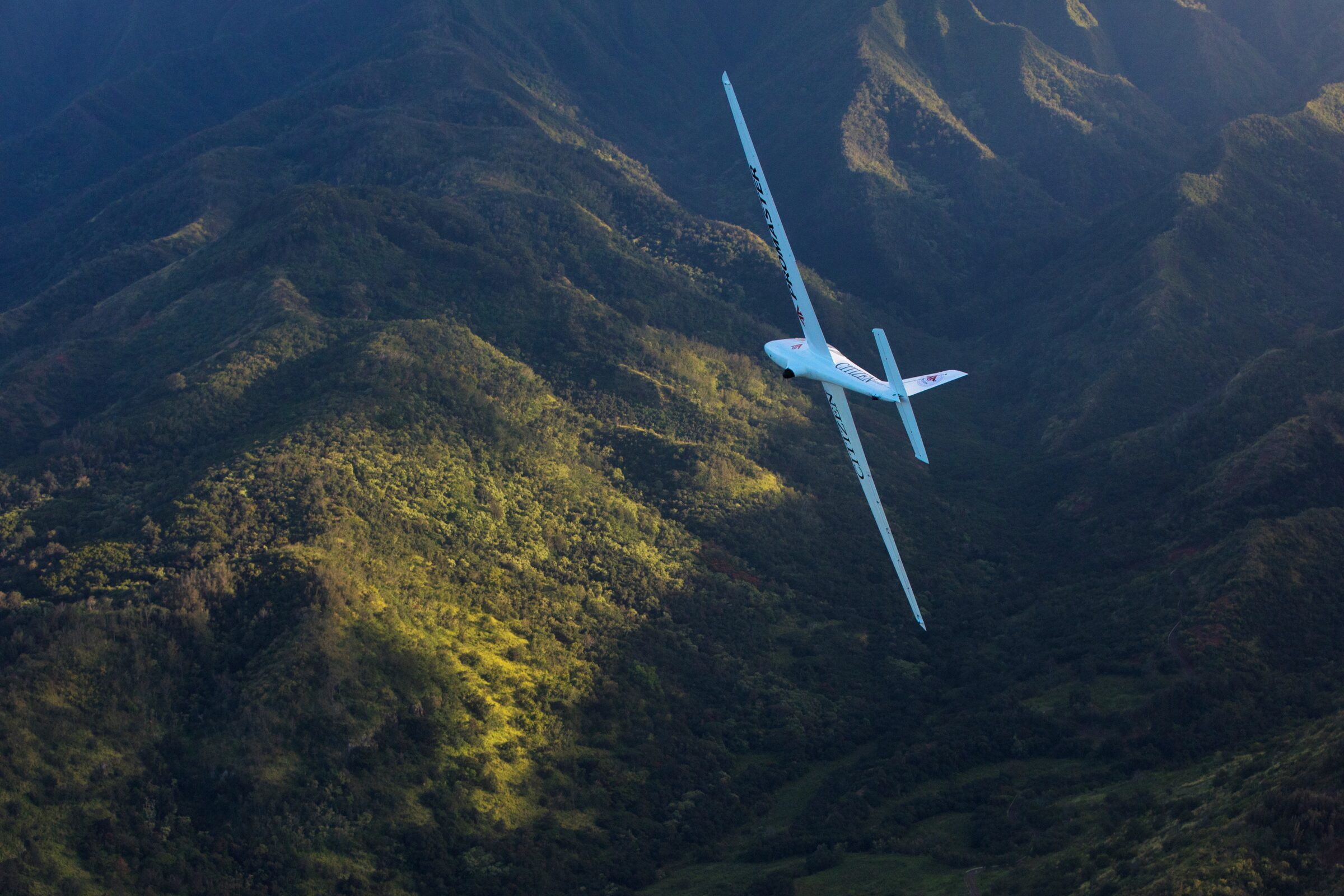
Our story
You don't find your path. You make it.
LIVE ALOFT was started in Hawaii by two pilots who got into the sky through the side door. This is how it happened, and why we think it matters to people who may never fly.
Where it began
Nobody handed him the sky
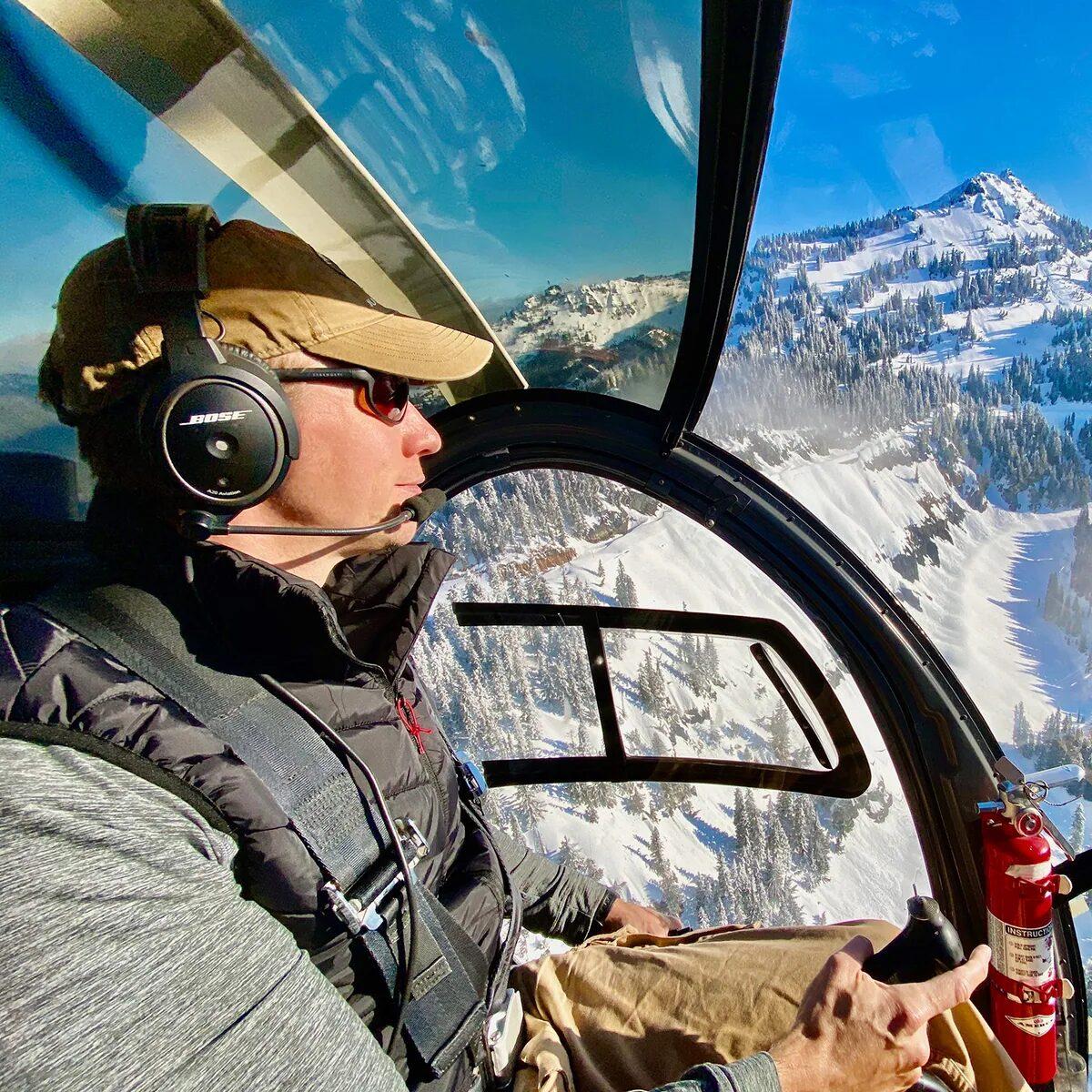
James Alaggio always wanted to fly. He read every aviation book he could find, often flew flight simulators with friends, and took his first flying lesson in August 1993 at nine years old. By then he was already largely on his own. No family to lean on. No money. No plan anyone had made for him. So he made his own.
The gliderport
The place that changed his life was Fly For Fun, a small gliderport at Somerset Airport in New Jersey. He traded work for flight time, and through his teenage years, working and flying at that airfield was his whole world. He soloed a glider at fourteen. He learned to read the sky, soar like a bird, find where atmospheric lift lives, manage energy, make a wing perform, and understand how weather behaves at the scale of a single cloud. He learned the arts of aerobatics and cross-country soaring.
He also lived there, in an old, unused hangar on the airfield. Some winters were brutally cold, with no heat or electricity. James says the gliderport saved his life, and he means it. It let him immerse himself fully in the thing he loved and make tangible progress toward his dreams. Most of all, it showed him that a dream doesn't wait for permission or money. It waits for you to show up, do the work with humility and a good attitude, and never stop learning. In aviation, the moment you think you know it all is the moment you become unsafe. The sky rewards the lifelong student.
The long climb
There was no easy road into aviation for a kid with nothing, so he built one, one step at a time. He set aside his dream of racing gliders cross-country for about ten years and went to work. He flew where others wouldn't. He made himself genuinely useful in corners of aviation most people never see. Every hard job was quietly building something bigger.
That climb never stopped. Today James is an Airbus A330 captain, founder and chief pilot of the Soar Hawaii Foundation, a global test pilot, and an aviation adventurer. Across more than thirty years and upward of 300 aircraft types, he has kept a flawless safety record.
Fly everything. Master everything.
- Airline Transport Pilot in airplanes and helicopters, the highest pilot certificate the FAA issues
- Airbus A330 captain, with type ratings from the ATR to the Boeing 757 and 767
- Commercial ratings in seaplanes, gyroplanes, gliders, and hot-air balloons
- U.S. Glider Aerobatic Team, World Championship competitor
- Volunteer Heritage Pilot for Hawaiian Airlines, with more than 500 tours flown in its original 1929 Bellanca Pacemaker
- Flight instructor, aviation test pilot, and mountain helicopter instructor
- Many thousands of hours in high-performance tailwheel aircraft, aerobatic planes, bush and seaplanes, plus corporate and utility helicopters
James treats competence as the starting point, never the goal. He takes every kind of flying he touches to the edge of the discipline and works to master it. That deep understanding lets him help encourage the advancement of the technology, widen its safety margins, and teach others to do the same.
Peak performance is a daily choice
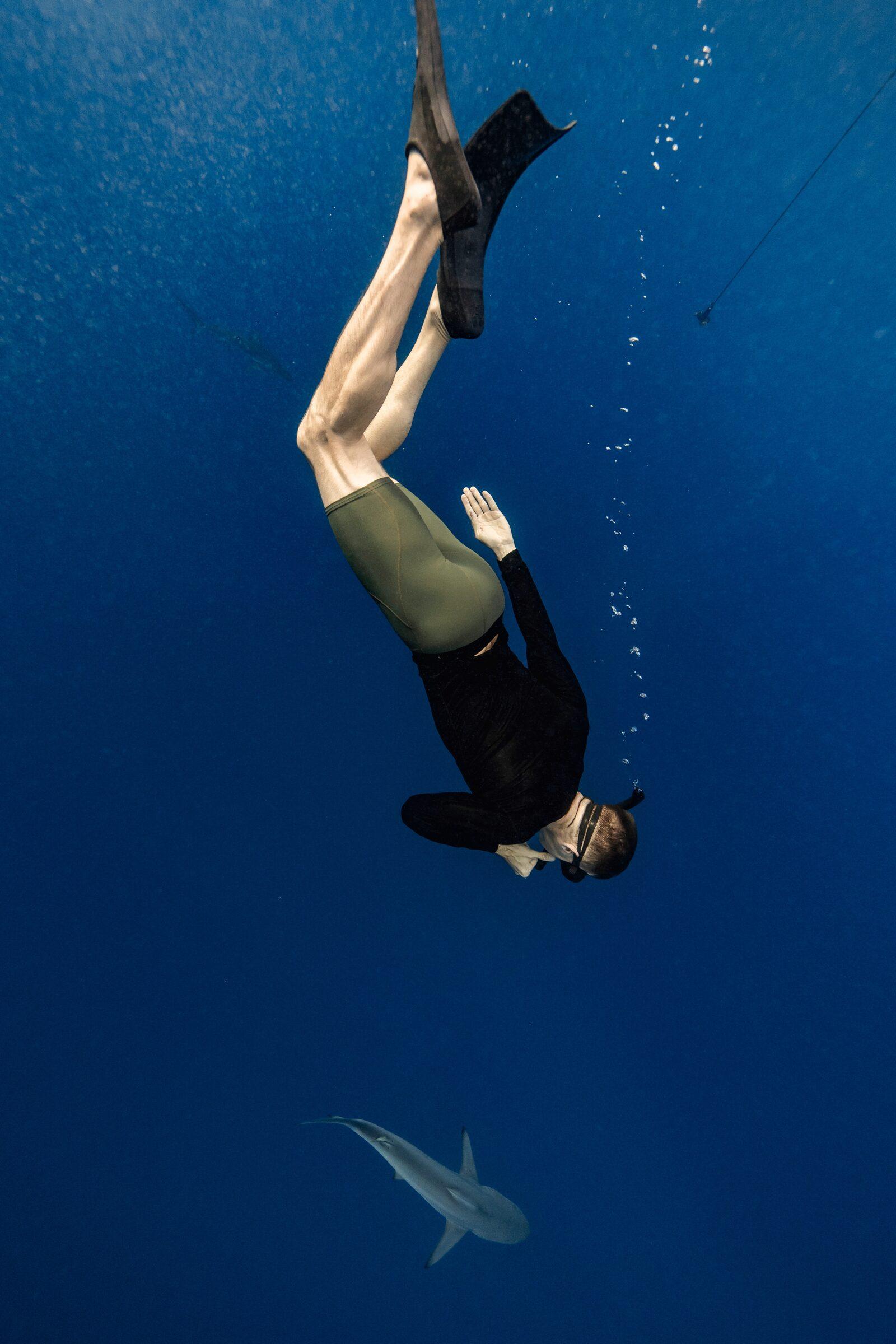
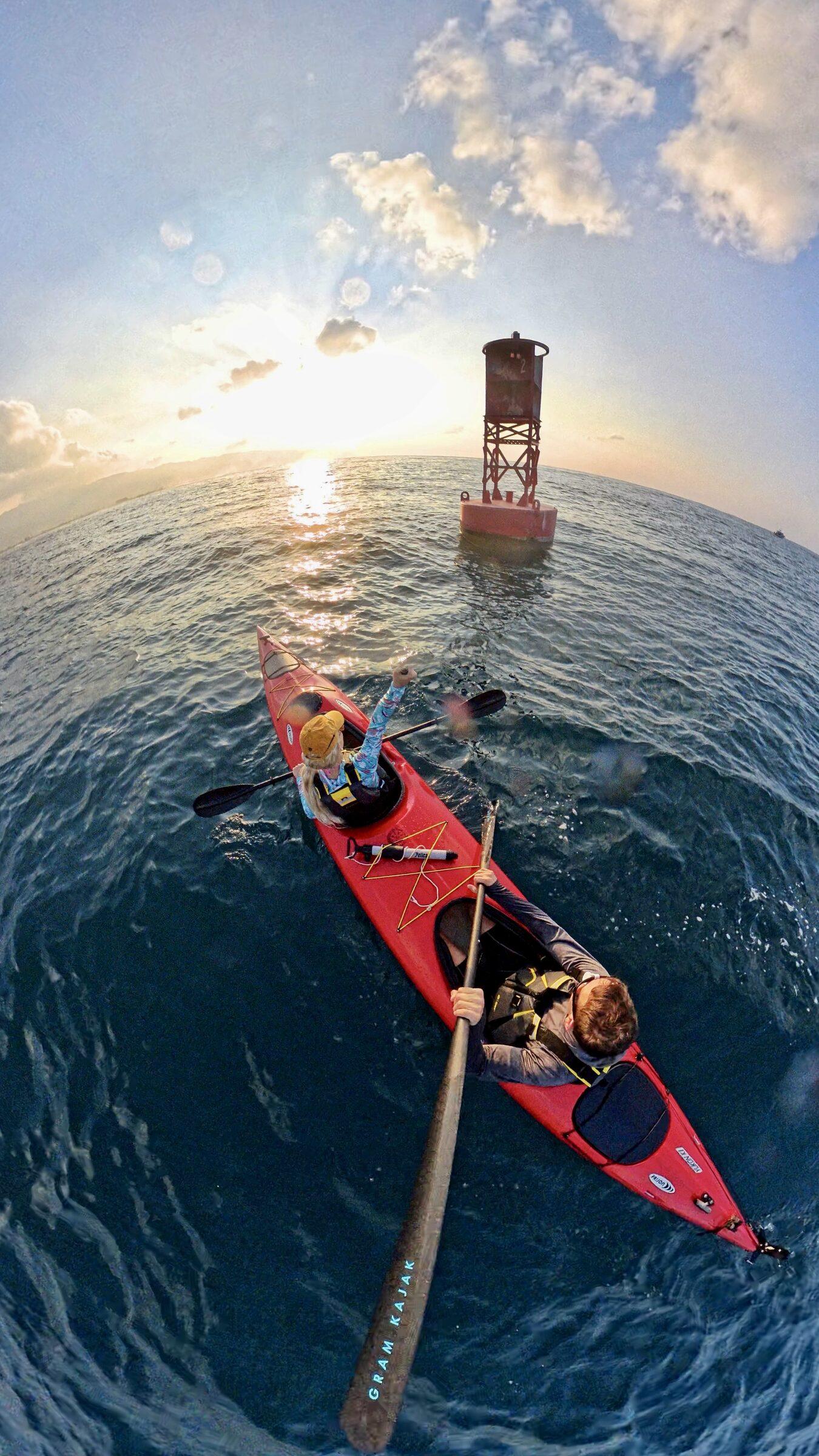
Flying at this level demands an athlete's body and a clear mind, so James trains like one. He has ridden his recumbent tadpole tricycles more than 300,000 miles since 2008, paddles a surfski kayak on the open ocean, runs in the mountains, puts in the work at the gym, and eats clean, nutrient-dense, plant-based food, with no caffeine, alcohol, or soda. He moves every day. Instead of days off, he cross-trains. He takes no shortcuts. He earns every day. To him, sleep, nutrition, and training aren't extras. They're part of the preflight.
Paying it forward
He never forgot that someone gave this kid a chance. That's why he founded the Soar Hawaii Foundation, a nonprofit soaring academy that opens the sky to the next generation of aviators, scientists, engineers, and leaders. Live Aloft proudly supports the Soar Hawaii Foundation, helping educate the next generation who will Live Aloft.
Why Live Aloft
Live Aloft shares with the world everything that aviation taught him. Chase your potential. Build your own path. Take care of the body you live in. Turn the dream into a flight plan. You don't need a head start. You just need to begin. Make tangible progress every day. Never give up. Soaring like the birds is still the root of it all. A glider has no engine. It climbs only by finding Earth's invisible energy. So did he.
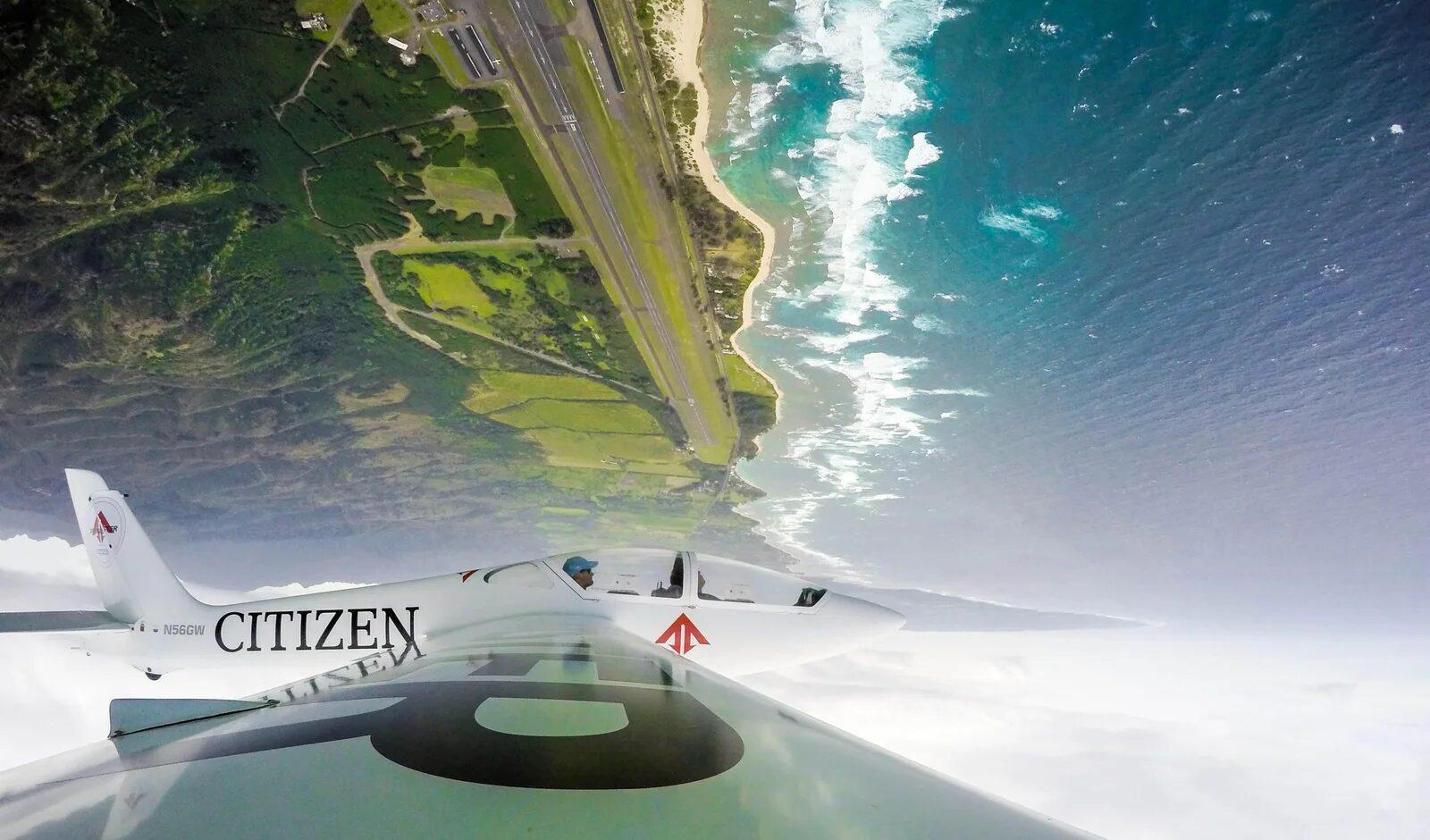
The relentless belief and pursuit in the beauty of your dreams.
A different road
Looking where no one else was looking.
Nathan Van Kempen did not grow up wanting to be a pilot. He grew up, for the most part, in his room.
He describes it plainly: a fairly isolated childhood, difficulties at home, a string of schools, and a great many hours spent gaming and thinking. The gaming turned out to matter. What he loved was taking a game apart until he understood it well enough to hold his own against people who were genuinely good at it. That is still how he learns anything difficult.
The gap year changed the rest. He spent it traveling alone through Eastern Europe, including Chernobyl, drawn to the places that weren't on anyone's standard itinerary, and came back wanting a life with more of that in it. He has been to more than thirty countries since. He lived in Mexico for a stretch and taught himself Spanish while he was there.
He studied economics, then switched to computer science because technical skills seemed hard to replace and might one day fund a business of his own. For a while the plan was remote software work from a different country every few months. Then he realized that even that wasn't the kind of freedom he was after.
Near the end of college, having assumed the military was the only way into a cockpit, he looked into civilian aviation and found a profession built around travel, hands-on skill, and a view that was never a desk.
Learning to fly was not effortless. He wasn't a natural, and he took longer than some of his peers to solo. He kept going, and that became the lesson he still leans on: how you start has very little to do with how far you can go.
Finding work was harder than learning. With his instructor certificates in hand, he returned to Hawaii and walked into flight schools with résumés. He cold-called the owners of the school where he would eventually teach, flew a checkout with them, and still didn't get hired. Then he drove from San Diego up the West Coast, stopping at flight schools along the way. Still nothing.
So he started looking where no one else was looking. He began taking glider lessons at a gliderport on Oahu's North Shore. He reached out to the gyroplane operators based there. One of them mentioned a pilot who was starting a nonprofit to make soaring accessible to young people.
Nathan cold-called him. That was James.
A few months later, the day after Nathan was finally hired as a flight instructor in Honolulu, James called back.
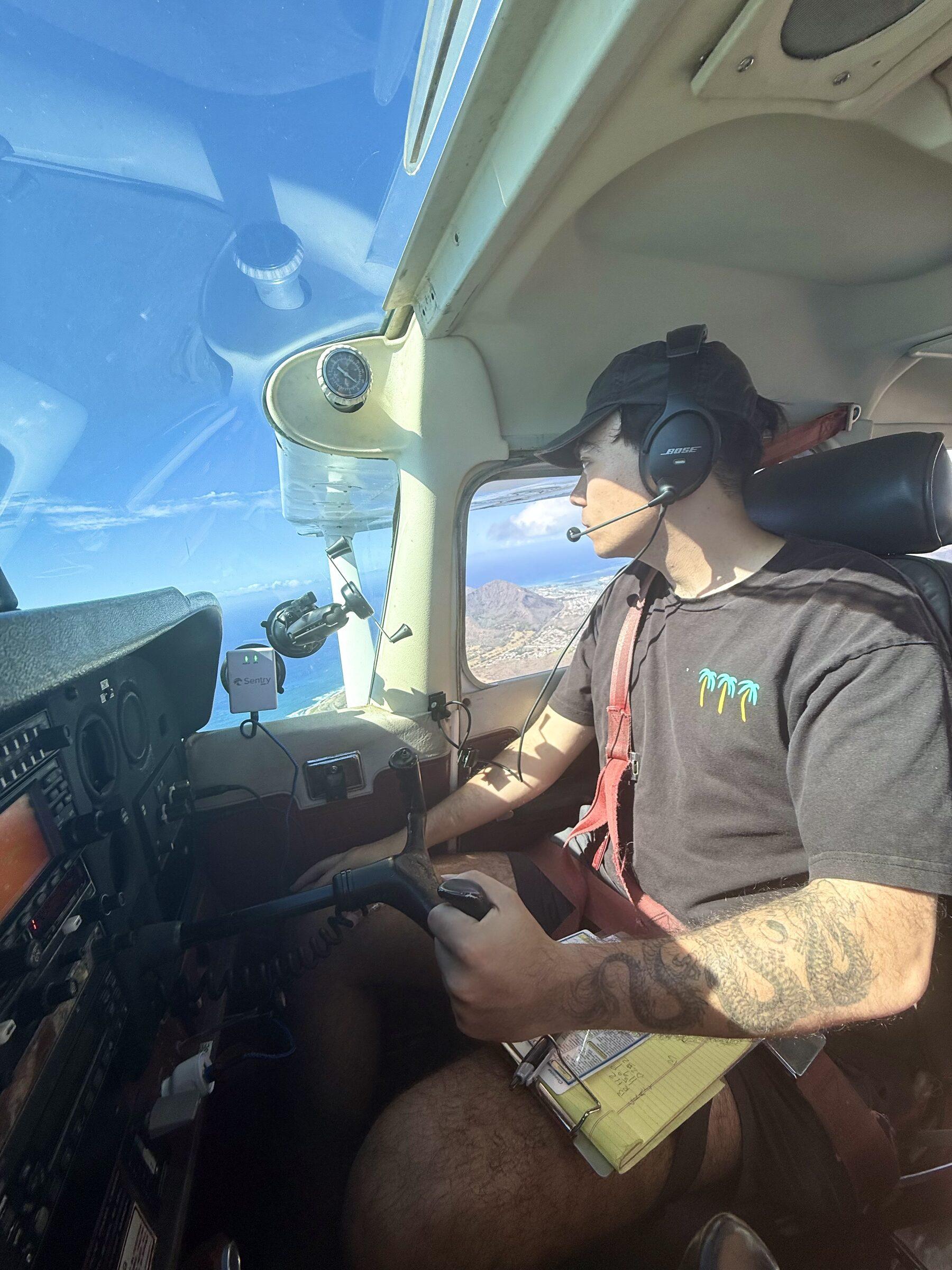
Where the roads met
Two roads, one airfield.
We started working together on Soar Hawaii Foundation, a nonprofit built around a simple idea: that the art of soaring should be within reach of young people who are willing to work for it.
The work itself is unglamorous. Winch launches to bring the cost of a flight down. Volunteer instruction from experienced aviators, airline pilots among them. Outreach. Solving the small local obstacles that keep a kid on the ground. The North Shore helps: trade winds, thermals, convergence, and sometimes wave make it, in our experience, a remarkable place to learn to soar.
Alongside that, and separate from it, we built Hawaii Glider Rides, a commercial glider experience business, because we wanted the flights people pay for to meet the same standard of professionalism and safety we hold ourselves to.
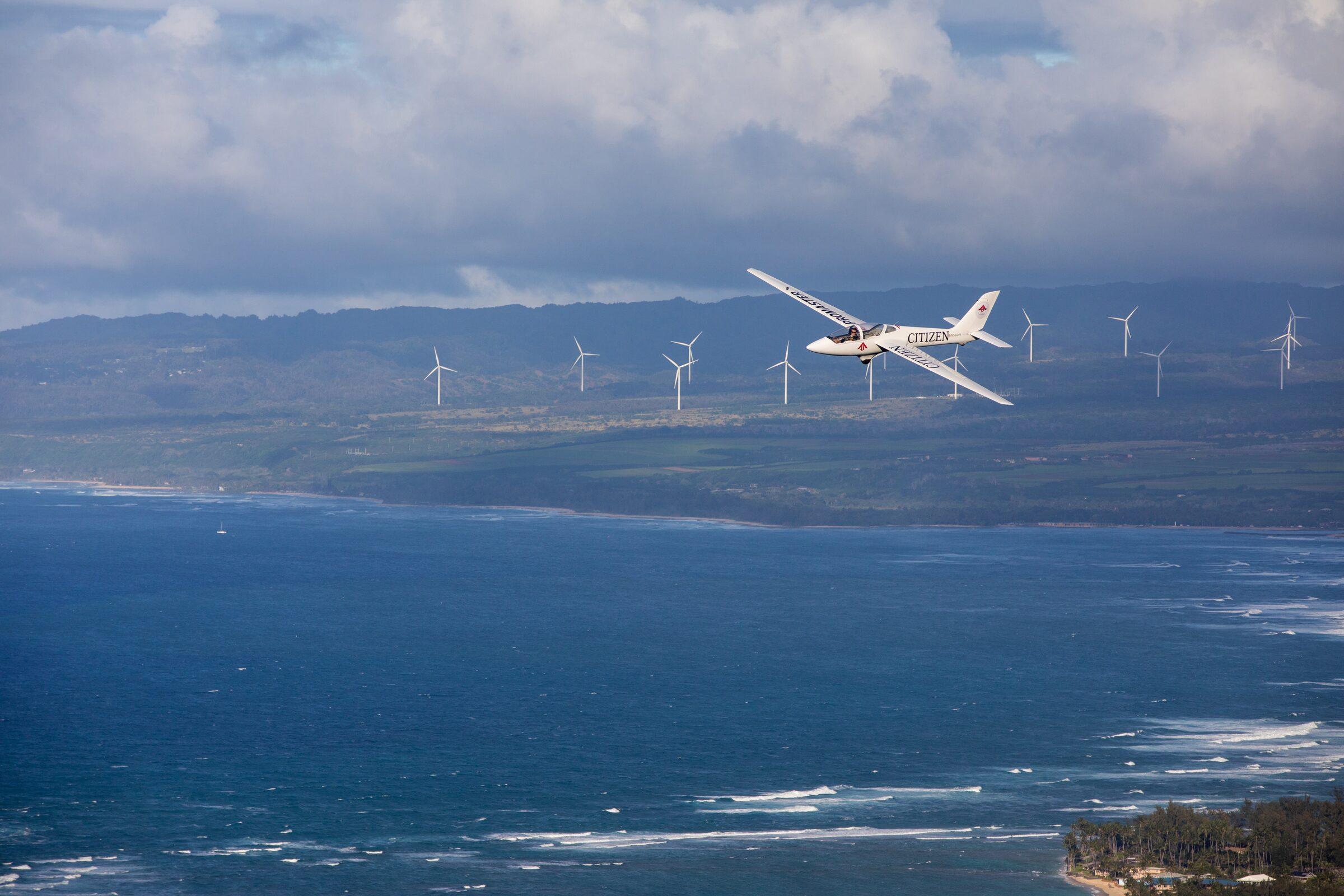
The airfield on the North Shore.
Dillingham, Oahu
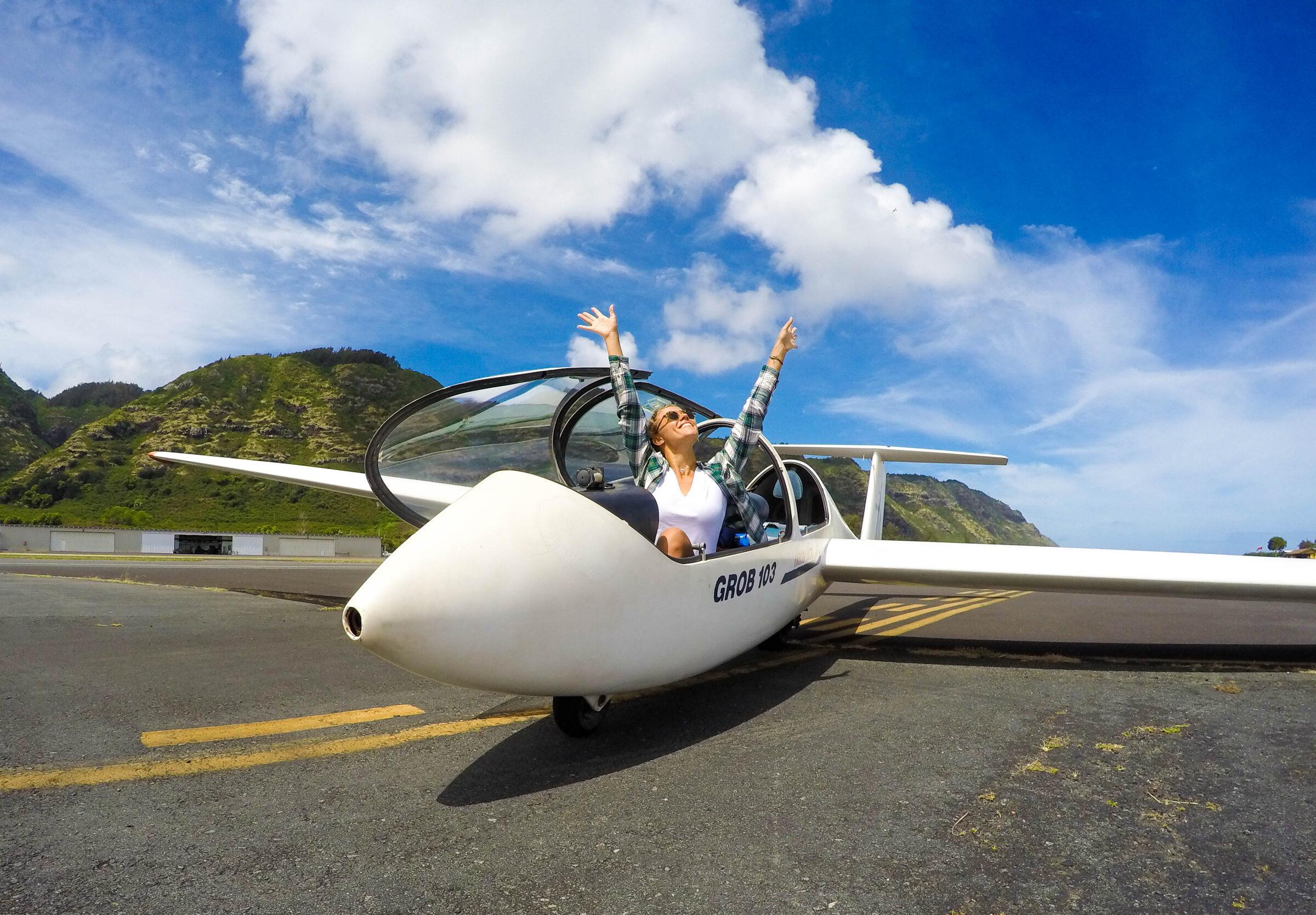
Somewhere in that work the lesson got bigger than the airfield.
The things that had carried each of us forward were not aviation lessons. A chance someone gave. A door nobody else tried. Progress that was tiny but daily. The willingness to be bad at something for a while. They were life lessons that happened to arrive by air. And we kept meeting people who had never been handed any of them: people who had quietly set a dream down years ago because the standard path didn't lead there and no one showed them another.
- Soar Hawaii Foundation
- Nonprofit. Soaring access and aviation education, with a focus on young people.
- Hawaii Glider Rides
- Commercial glider experiences in Hawaii, run to a professional, safety-first standard.
- LIVE ALOFT
- The brand. Stories, adventure, community, and in time products, for anyone pursuing their potential.
Three separate organizations. One set of people and beliefs.
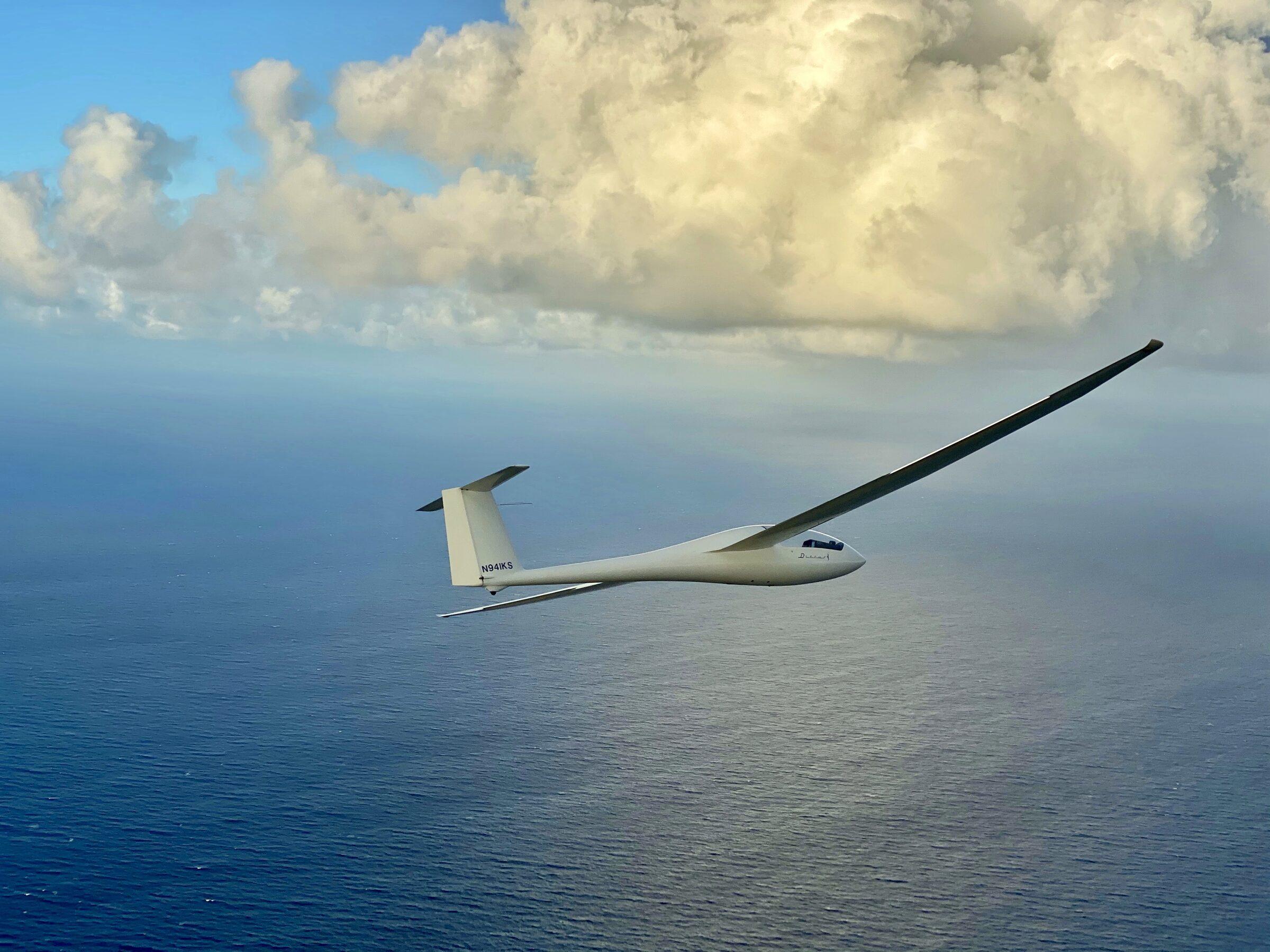
Flying got us here. It isn't where this ends.
Why LIVE ALOFT exists
Most people are capable of far more than they realize.
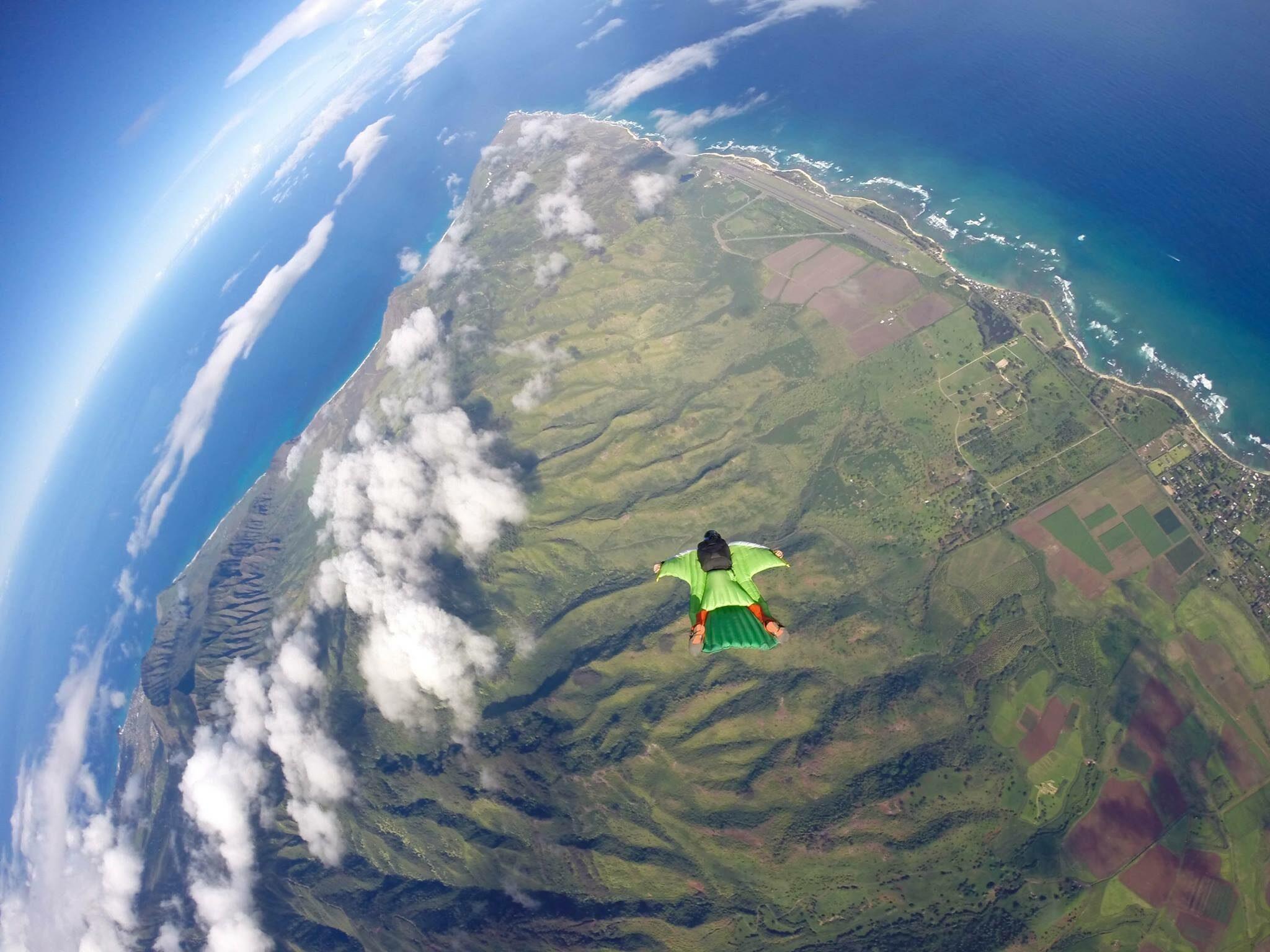
We believe that because we each had to find out the slow way. Through training that didn't come naturally. Through years of work in the unglamorous corners of a field we loved. Through a dream set aside for a decade because it cost too much at the time.
And we believe that when people never find out, it is rarely for lack of ability. It's circumstance. It's comfort. It's the quiet assumption that extraordinary things are for other people. Most of all, it's that nobody showed them what was possible, or handed them the first rung.
LIVE ALOFT exists to do some of that showing. Through adventures worth filming, and the films themselves. Through a community of people who are working on something hard. In time, through products we would be proud to use. And, where we can, through the kind of real opportunity that changed one of our lives at an airfield in New Jersey.
The name is literal and it isn't. Aloft is where a pilot wants to be. It is also a way of living: at the top of what you are capable of, and reaching for the next thing.
We are not standing at the summit describing the view. We are still on the way up, and we would like company.
What we believe.
Potential is found by pursuing it
You cannot think your way to knowing how far you can go. Capability shows up after the attempt, and keeps showing up for as long as you keep practicing.
Progress compounds
It starts with something tangible done today, however small. Effort does not guarantee an outcome. It does make a good one increasingly likely.
Opportunity is unevenly distributed
Not everyone starts with the same resources, guidance, or network. We look for the unconventional opening, and we don't pretend everyone's starting line is the same.
Health is capacity
A capable body and a steady mind are what let you keep adventuring, building, and giving for a long time. You do not have to be an athlete to belong here.
Comfort is a good place to rest and a poor place to live
Growth usually asks for uncertainty, sacrifice, and deliberate discomfort. It never asks for recklessness, burnout, or your health.
When you find your way, help someone else find theirs
Getting somewhere puts you in a position to make the path easier for the next person. That isn't charity. It's how we got here.

The founders.
Two people, still working on it.
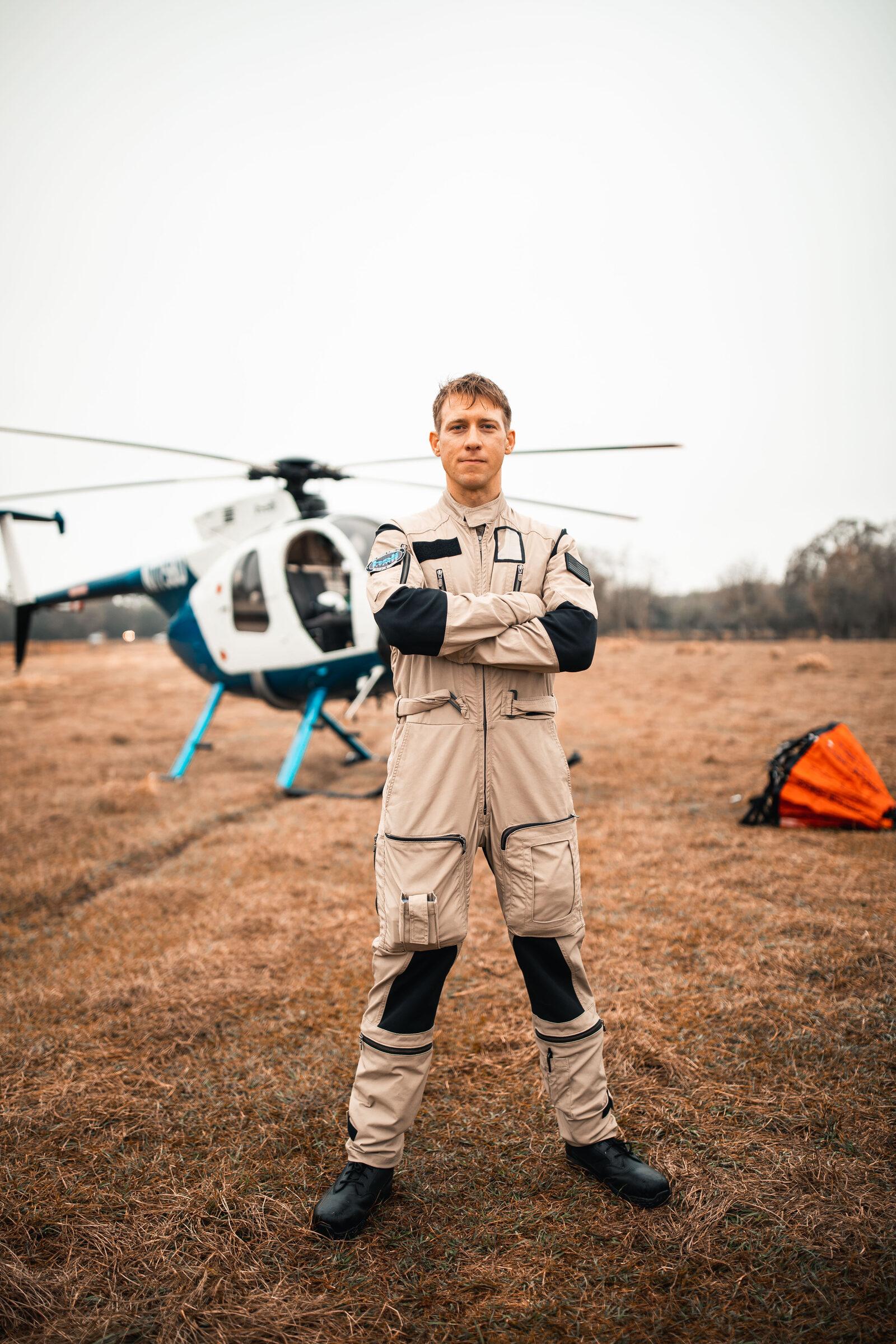
James Alaggio
Co-founder
I wanted to fly before I wanted much of anything else. I read every aviation book I could get my hands on, flew simulators with friends, and took my first lesson at around nine. From about the age of eight I was also largely on my own, and the place that took me in was Fly For Fun, a small gliderport at Somerset Airport in New Jersey. I worked there, and for several years I lived there too, in an unused hangar on the field. Some nights there was no heat and no electricity. I don't say it lightly when I say that airfield saved my life.
I couldn't afford the conventional route into aviation, so I built an unusual one instead. Warbirds, high-performance tailwheel airplanes, test flying, corporate helicopters, amphibious seaplanes, bush flying, the U.S. glider aerobatic team, turboprops in Alaska, and now the left seat of an Airbus A330. Whatever I take up, I try to take it as far as that kind of flying goes. Gliding is still the root of all of it: energy, weather, judgment, and paying attention to what the air is actually doing.
I run mountains and paddle surfskis because I intend to keep doing this for a long time. We can always make more money, but we can't make more time. That is most of why Soar Hawaii matters to me. Someone gave me a chance when I had very little else, and I would like the next young person who is willing to work for it to find that door open.
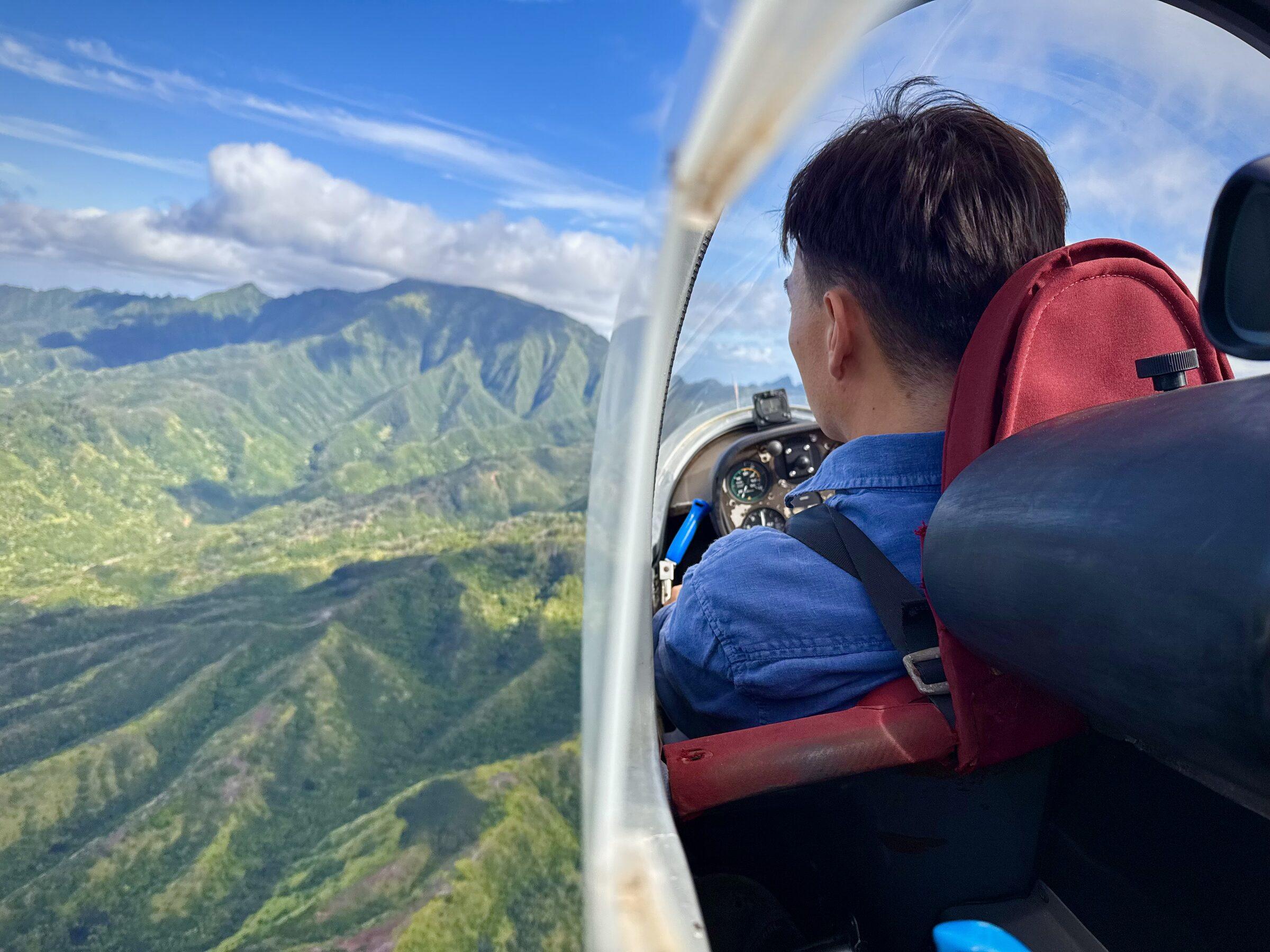
Nathan Van Kempen
Co-founder
Growing up, I spent a lot of time on my own. Most of it went into competitive video games, and part of what I loved about them was finding out how good I could get at something if I really cared about it. As I got older, I wanted to know what else I had in me. I took a gap year to travel through Eastern Europe on my own, studied computer science at the University of San Diego, and eventually learned to fly.
When I was looking for my first flight instructor job, I drove from San Diego to Bellingham, Washington, handing out résumés at flight schools. I was calling around Hawaii, too, and looking for ways to fly whatever I could. Being a developer turned out to help. I could build someone a website in exchange for flight time, and some of the most interesting aircraft I've gotten to fly came out of those trades.
One of my cold calls was to James Alaggio. I'd heard about Soar Hawaii and wanted to see how I could help more young people get into gliding. We ended up working together on the foundation and later started Hawaii Glider Rides. By the time we started talking about Live Aloft, we knew we wanted to build something that could reach well beyond our airfield on the North Shore.
The road ahead
Still climbing.
We are at the beginning. This is what we are building toward, as intentions rather than promises.
Films and stories
Cinematic documentation of real pursuits, in Hawaii first and then further out: the preparation, the setbacks, and the days it comes together.
Experiences
More ways to get people into the air and out into the world, starting with the soaring work we already do in Hawaii and widening from there.
Health and performance
Ideas, and eventually carefully developed products, that support an active life. We will not sell an image of wellness we can't back with substance.
Gear and apparel
Simple, durable things we would wear and use ourselves.
Community
People anywhere who are working on something hard and want company.
Nothing on this list is finished. Some of it has barely started. We would rather tell you that than pretend otherwise.
Chase your potential.
You don't need an airfield. You need a first step and a next one. Why not you?